
Noise Reduction Windows and Doors
For quieter homes near Western Sydney International Airport
House Soundproofing Starts with Your Windows and Doors
If you’re looking into house soundproofing, your windows and doors are usually the best place to start. Glass is much thinner than a wall, and the gaps around older frames let sound straight in. Replacing them is often the biggest single change you can make to how loud a room feels.
Forever Green Windows makes uPVC double glazed windows and doors in our Gregory Hills factory using Deceuninck profiles. We don’t insulate walls or roofs. What we do is replace the windows and doors that often let in the most noise, and tell you honestly what to expect before you go ahead.
Aircraft Noise and Western Sydney International Airport
Western Sydney International (Nancy-Bird Walton) Airport opens to passenger flights on 25 October 2026. It operates 24 hours a day with no curfew, and freight flights are already running. For homes under the new flight paths across Western and South West Sydney, that means aircraft noise during the day and overnight.
The Australian Government’s WSI Noise Insulation Program offers free noise treatment to eligible properties in the area most affected. If you think your home may be eligible, check that first. If you’re outside the eligibility area, we can help you upgrade your windows and doors to cut the noise coming in. Our guide to the Western Sydney Airport noise insulation program explains who is eligible and how to apply.
To see the flight paths and expected noise near your address, use the government’s WSI flight paths website.
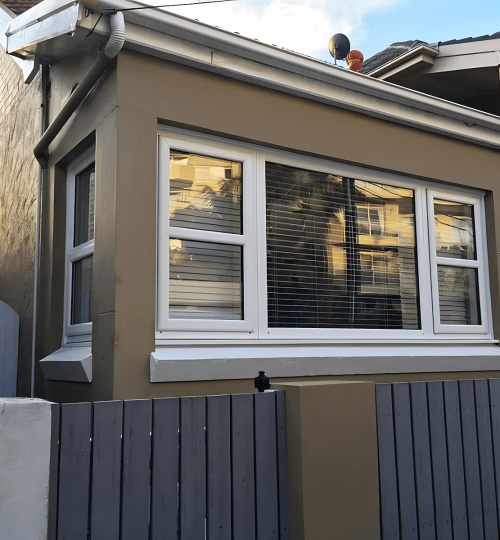
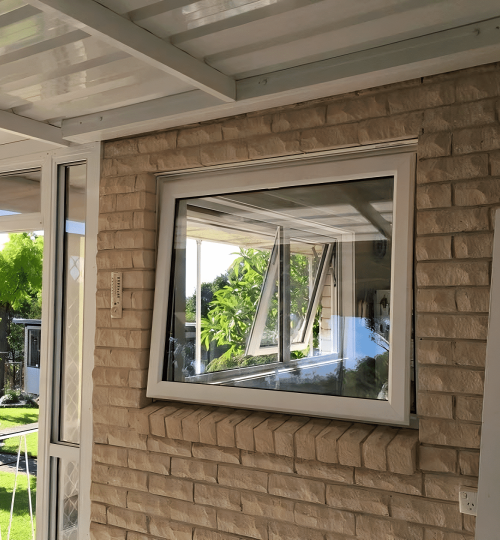
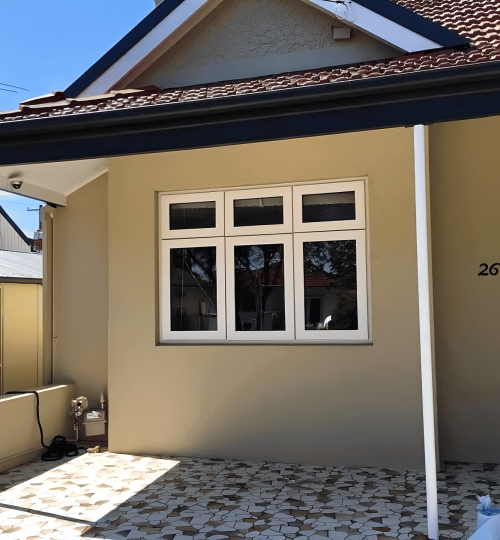
How Our Windows and Doors Reduce Outside Noise
Three things make the biggest difference to how much noise gets in
Sealed Tight
Quality seals close the gaps around the sash and frame, where a lot of noise gets in.
Glass Matched to the Noise
Acoustic double glazed units matched to how much noise your home is dealing with. Thicker glass gives a higher sound rating.
Made and Fitted by Us
Made in our Gregory Hills factory and installed by our own team, so the seals sit right and do their job.
Typical Sound Ratings by Window Style
Sound insulation is measured as Rw, in decibels. The higher the number, the less noise gets through. An extra 10 dB sounds roughly half as loud.
| Window or door style | 6.5 mm glass | 8.5 mm glass | 10.5 mm glass |
|---|---|---|---|
| Casement, awning and tilt and turn (compression seals) | Rw 39 to 40 dB | Rw 41 to 42 dB | Rw 44 to 45 dB |
| Lift and slide doors (mechanical compression) | Rw 38 to 39 dB | Rw 40 to 41 dB | Rw 43 to 44 dB |
| Sliding windows (brush seals) | Rw 35 to 36 dB | Rw 37 to 38 dB | Not listed |
These are typical industry guide figures, not test results for Forever Green units. Actual performance depends on the glass supplier, window size, configuration and installation. We’ll recommend the right glass for your home when we measure and quote.

Which Windows and Doors Work Best for Noise?
Casement and Awning Windows
The sash closes firmly against its seals, which makes these one of the quietest opening styles. A good fit for bedrooms.
Tilt and Turn Windows
Compression sealed all the way around the frame, so it loses almost none of the glass’s sound rating. Our best option for rooms facing the flight path.
Fixed Windows
No opening parts means no gaps. Use them where you want light and a view but don’t need airflow.
Sliding Windows
Easy to use and good value. Sliders don’t seal as tightly as hinged styles, so we’ll talk you through where they fit best.
Lift and Slide Doors
The door lowers onto its seals when closed, giving a tighter seal than a standard sliding door.
French and Hinged Doors
Hinged doors close against the frame seals for a solid, quieter finish on living areas and outdoor access.
Talk to Us About a Quieter Home
Tell us which rooms are noisiest and where your home sits in relation to the flight path. We’ll recommend the windows and doors that suit and give you a free estimate.