
In today’s evolving building design landscape, the integration of innovative materials plays a crucial role in shaping the homes of tomorrow. Among these materials, uPVC — or un-plasticised polyvinyl chloride — stands out for its versatility, durability, and visual appeal. When it comes to modern architectural design, the uPVC window has become a popular choice for homeowners, builders, and architects alike.
Whether you’re designing a new modern home or upgrading your existing windows, integrating uPVC into your architectural vision is a smart, future-forward decision. In this blog, we’ll explore how modern uPVC windows contribute to functionality, aesthetics, and energy savings across a range of architectural styles.
Why uPVC is a Popular Choice for Modern Homes
The adoption of uPVC in residential and commercial construction has grown rapidly, and for good reason. Its unique thermal insulation properties, resistance to moisture and UV rays, and low-maintenance finish make it ideal for Australia’s climate.
But what really makes uPVC stand out in modern building design is its ability to blend sleek aesthetics with high functionality. Unlike traditional timber or even standard aluminium windows, uPVC window frames offer a cleaner look and better energy efficiency, contributing to lower energy bills and a more comfortable indoor environment.
uPVC windows are highly effective in keeping the heat out during summer and locking warmth in during winter, which helps reduce energy consumption significantly. According to YourHome.gov.au, double-glazed windows can significantly reduce heat loss and improve comfort in Australian homes.
The Architectural Appeal of uPVC Window Designs
Today’s architects and designers are placing increased emphasis on minimalism, open-plan living, and natural lighting. uPVC window designs align perfectly with these trends. Their clean lines and flexibility make them suitable for a wide range of window styles, including:
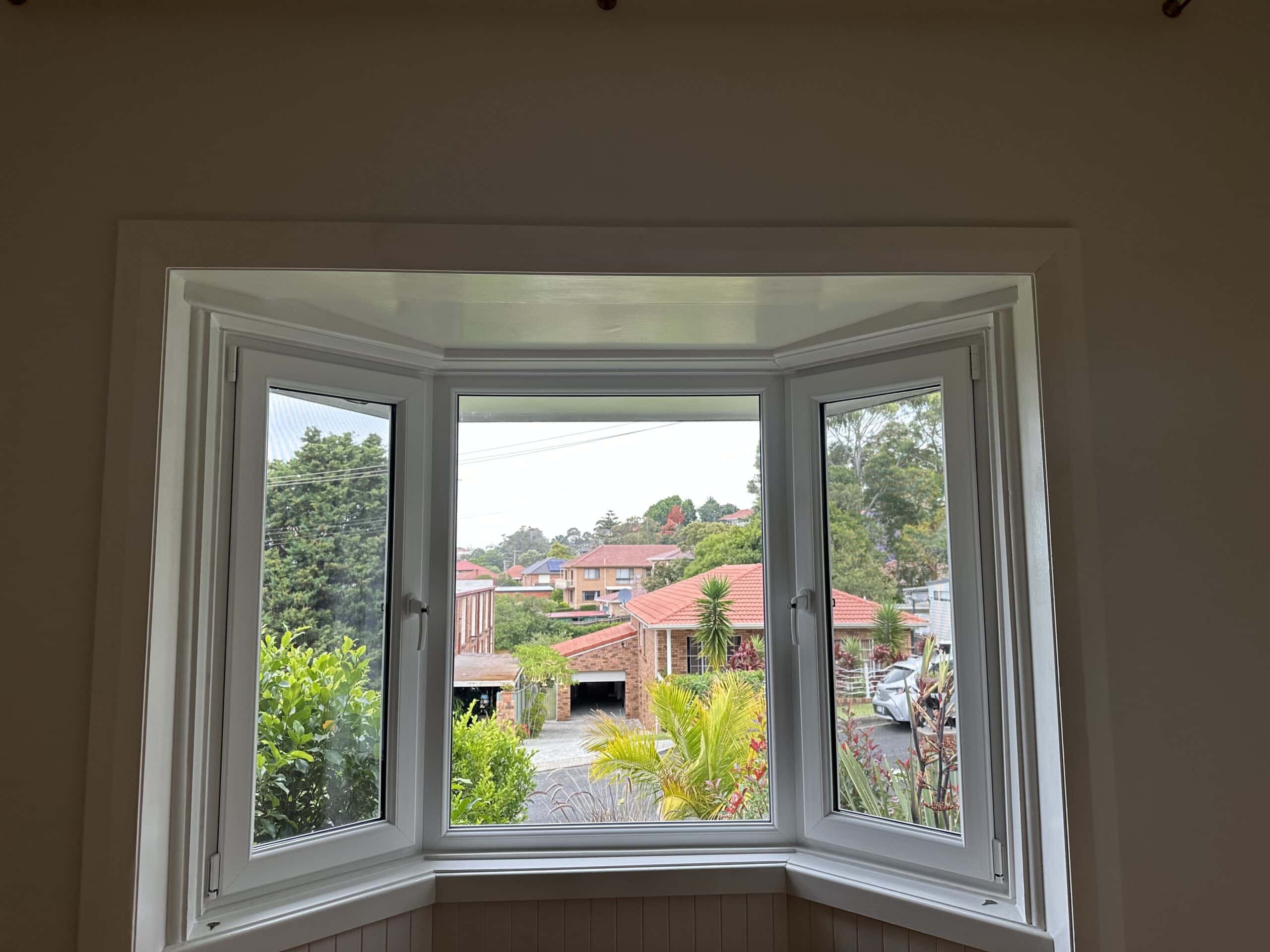
- Casement windows
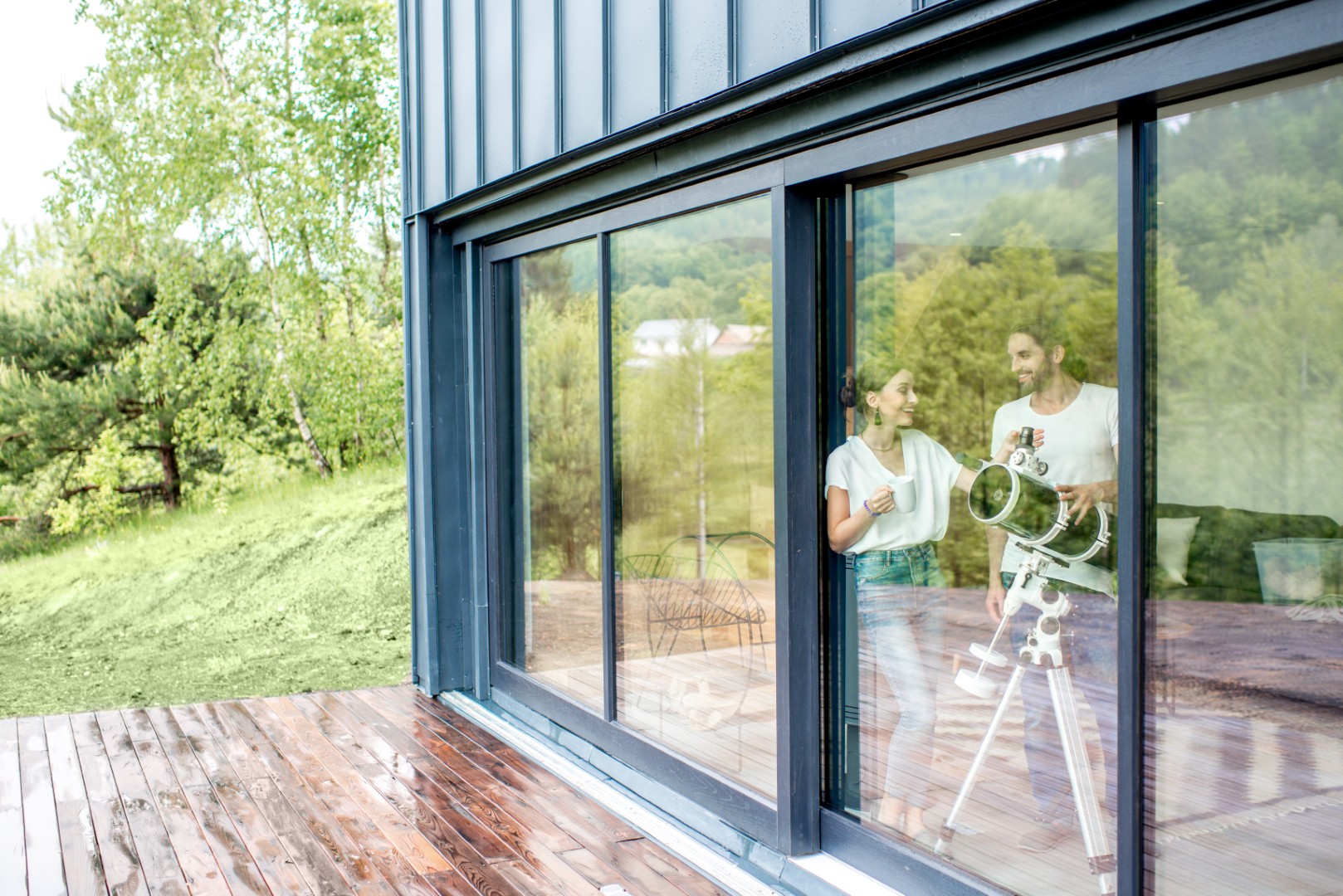
- Sliding windows
- Tilt and turn windows
- Large fixed windows
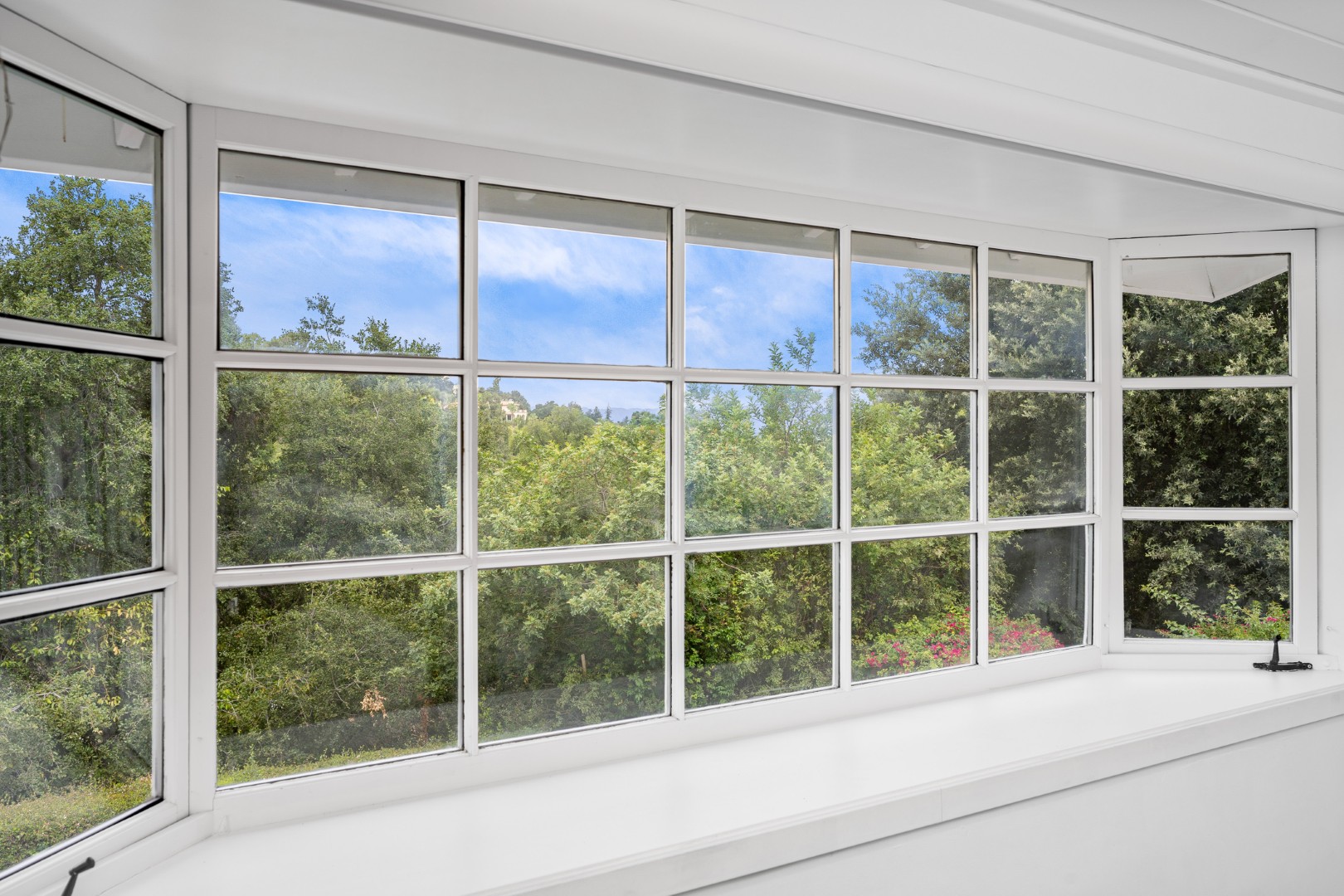
These windows come in various styles, colours, and glazing options to complement diverse architectural styles, from coastal homes to inner-city apartments. Their adaptability ensures they’ll match any contemporary design, supporting windows as part of an overall design vision.
Whether you’re renovating or building new, there’s a uPVC solution to suit your architectural goals and boost the appeal of your windows.
Energy Efficiency and Thermal Performance
One of the most important benefits of uPVC is its excellent thermal insulation. Combined with double glazing or even triple glazing, uPVC windows effectively reduce heat loss and limit external noise — ideal for both energy and sound control.
Professionally installed double-glazed windows contribute to reduced heating and cooling costs, creating a better indoor environment and helping windows contribute to lower energy use across the board.
Even large windows, often a feature of modern architectural homes, can be designed using uPVC to maintain high energy-efficient performance without sacrificing style or natural light.
Sustainable Design with uPVC
Sustainability is no longer just a trend — it’s a requirement. uPVC is fully recyclable and offers a long lifespan, often exceeding 30 years with minimal maintenance. The initial cost of uPVC is typically lower than timber and comparable to aluminium, but the savings in upkeep and energy make it a more sustainable design choice.
Thanks to the inherent properties of uPVC, these frames resist warping, swelling, and corrosion, making uPVC an ideal solution for areas exposed to harsh weather.
When incorporating double-glazed windows into your home, uPVC frames ensure a more energy-efficient and eco-conscious outcome.
Functionality Meets Aesthetic
Modern homes demand more than just looks — functionality is key. With uPVC window hardware offering secure locking systems, multi-point handles, and weatherproof seals, homeowners can enjoy peace of mind along with visual appeal.
Better yet, uPVC casement windows and other designs ensure smooth operation without warping or swelling. These functional benefits are what makes uPVC a true all-rounder for modern design.
Sleek lines and colour-matched finishes enhance the façade, improve security, and contribute to a modern look that’s consistent across various architectural styles.
Incorporating uPVC in Architectural Projects
For architects and designers, incorporating uPVC into projects opens up a world of creative opportunity. Whether you’re designing a passive home or a luxury urban retreat, modern uPVC windows support both aesthetic vision and building performance.
- Key design considerations include:
- Matching the window style to the home’s overall architectural style
- Selecting frame colours and finishes that complement the façade — view our colour options
- Exploring glazing options for both performance and design impact
- Coordinating window and door systems for seamless indoor-outdoor flow
By thinking of windows and their role in long-term sustainability and comfort, you can deliver projects that satisfy clients and meet modern environmental standards.
uPVC vs Aluminium: Which Is Better for a Modern Home?
When comparing aluminium and uPVC, it comes down to project priorities.
| Feature | uPVC | Aluminium |
|---|---|---|
| Thermal Insulation | Excellent | Good |
| Maintenance | Very Low | Moderate |
| Aesthetic Versatility | High (multiple colours/finishes) | High (especially slim profiles) |
| Lifespan | 30+ years | 30+ years |
| Initial Cost | Lower to Medium | Medium to High |
While aluminium may appeal for its industrial finish and strength, uPVC is resistant to corrosion and provides better energy performance, making it a superior choice for modern homes that value sustainability, cost-efficiency, and style.
Choosing the Right Windows for Your Project
- When selecting windows for your home, consider:
- Orientation and sun exposure
- Ventilation and airflow
- Size and placement for natural light
- Integration with heating and cooling zones
- Overall architectural aesthetics
Don’t forget, windows often serve as both a design centrepiece and a performance feature. Casement windows provide excellent airflow and sealing, making them perfect for mixed climates.
To explore more options and speak with our experts, contact us today.
Frequently Asked Questions (FAQs)
What is uPVC, and how is it different from PVC?
uPVC stands for unplasticised polyvinyl chloride. Unlike standard PVC, it doesn’t contain plasticisers, making it stronger, more rigid, and ideal for window and door frames.
Are uPVC windows suitable for Australian weather?
Absolutely. uPVC windows are UV-resistant, weatherproof, and provide excellent thermal insulation, making them perfect for both hot and cold Australian climates.
Do uPVC windows come in different styles?
Yes, uPVC window designs include casement windows, sliding, tilt and turn, and fixed options. They suit various modern architectural styles.
How long do uPVC windows last?
uPVC windows can last over 30 years with minimal maintenance, making them a reliable and durable investment.
Is uPVC sustainable?
Yes. uPVC is recyclable, low-maintenance, and contributes to sustainable design by improving energy efficiency and reducing environmental impact.
Conclusion: The Smart Choice for Modern Design
As you shape your dream home or next architectural project, consider how incorporating uPVC can elevate your space. From aesthetic versatility to energy efficiency, uPVC windows offer an intelligent solution that merges timeless design with modern-day performance.
Whether you’re focused on sustainability, comfort, or visual harmony, uPVC windows remain a proven choice for modern Australian homes.