
As Australian homes continue to evolve in design and performance, uPVC windows are at the forefront of architectural innovation. In 2026, the focus is firmly on sustainability, clean aesthetics, and high-performance solutions that suit Australia’s diverse climates. Here’s a look at the key uPVC window trends shaping modern Australian architecture in the year ahead.
Sustainability and Energy Efficiency Take Centre Stage
Environmental responsibility remains a top priority for homeowners and architects alike. uPVC windows are increasingly selected for their long lifespan, recyclability, and outstanding thermal performance.
Improved Thermal Performance
Advances in frame design and glazing technology continue to improve insulation, helping homes stay warmer in winter and cooler in summer. Modern window systems significantly reduce heat transfer, lowering reliance on heating and cooling systems and cutting energy costs over time.
Smart Design for Climate Zones
Australian architecture demands flexibility across climate zones. From coastal homes to bushfire-prone regions, solutions such as BAL-rated windows are becoming an essential part of contemporary residential design, offering both safety and performance.
Minimalist Aesthetics and Clean Architectural Lines
Modern Australian architecture in 2026 continues to favour simplicity and openness. uPVC windows are evolving to support slim profiles and unobtrusive framing without compromising strength or insulation.
Larger Glass Panels and Natural Light
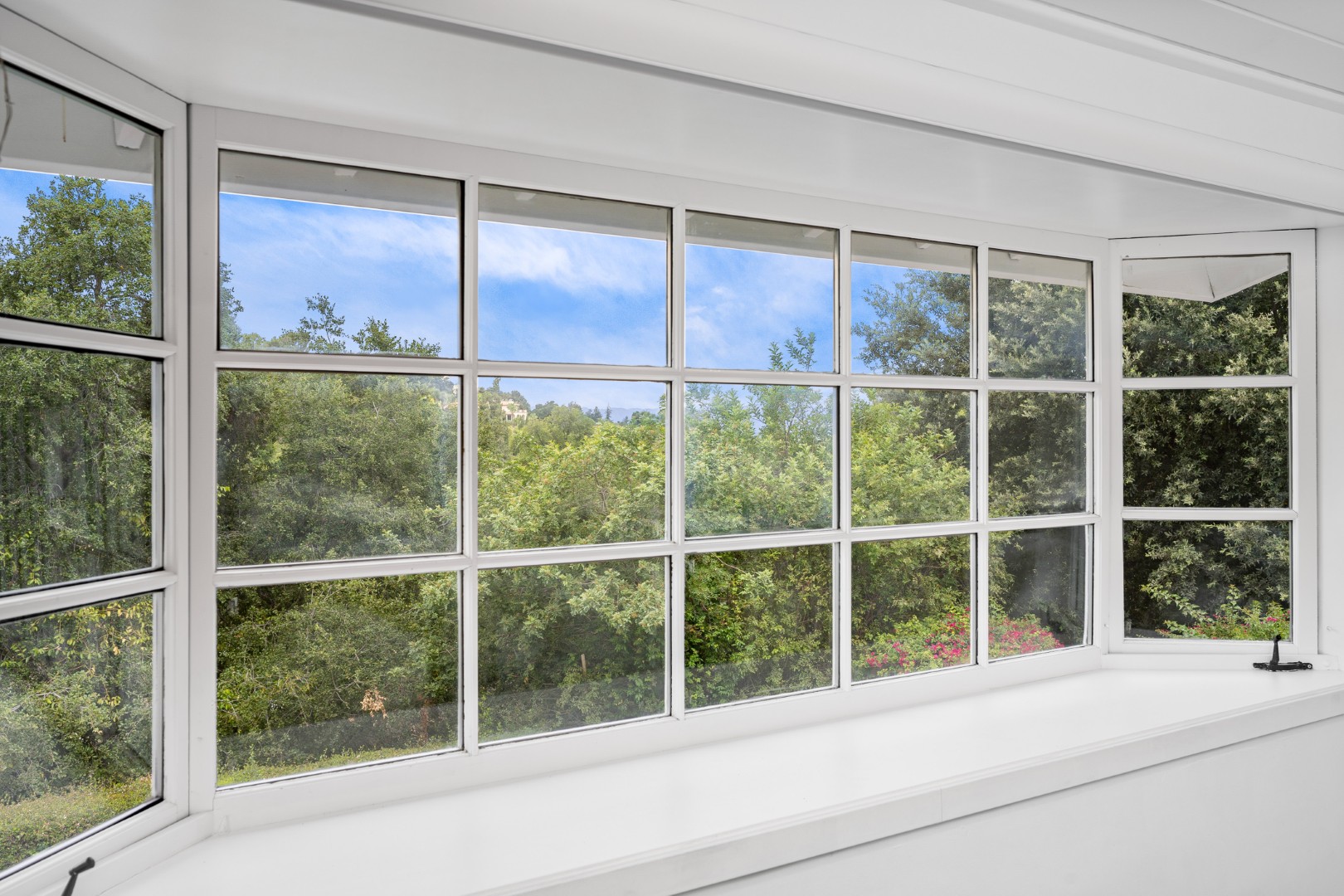
Architects are increasingly incorporating expansive glazing to blur the line between indoor and outdoor living. Window styles such as uPVC fixed windows and uPVC sliding windows allow for larger glass areas while maintaining excellent thermal and acoustic performance.
Neutral and Custom Colour Options
While white remains a classic choice, modern homes are embracing subtle neutrals and darker tones to complement contemporary facades. Homeowners can explore a wide range of finishes on our colour options page to match their architectural vision.
Functionality Meets Everyday Living
In 2026, design is no longer just about appearance—it’s about how a home functions day to day. uPVC windows are being selected for their versatility, ease of use, and low-maintenance performance.
Flexible Window Configurations
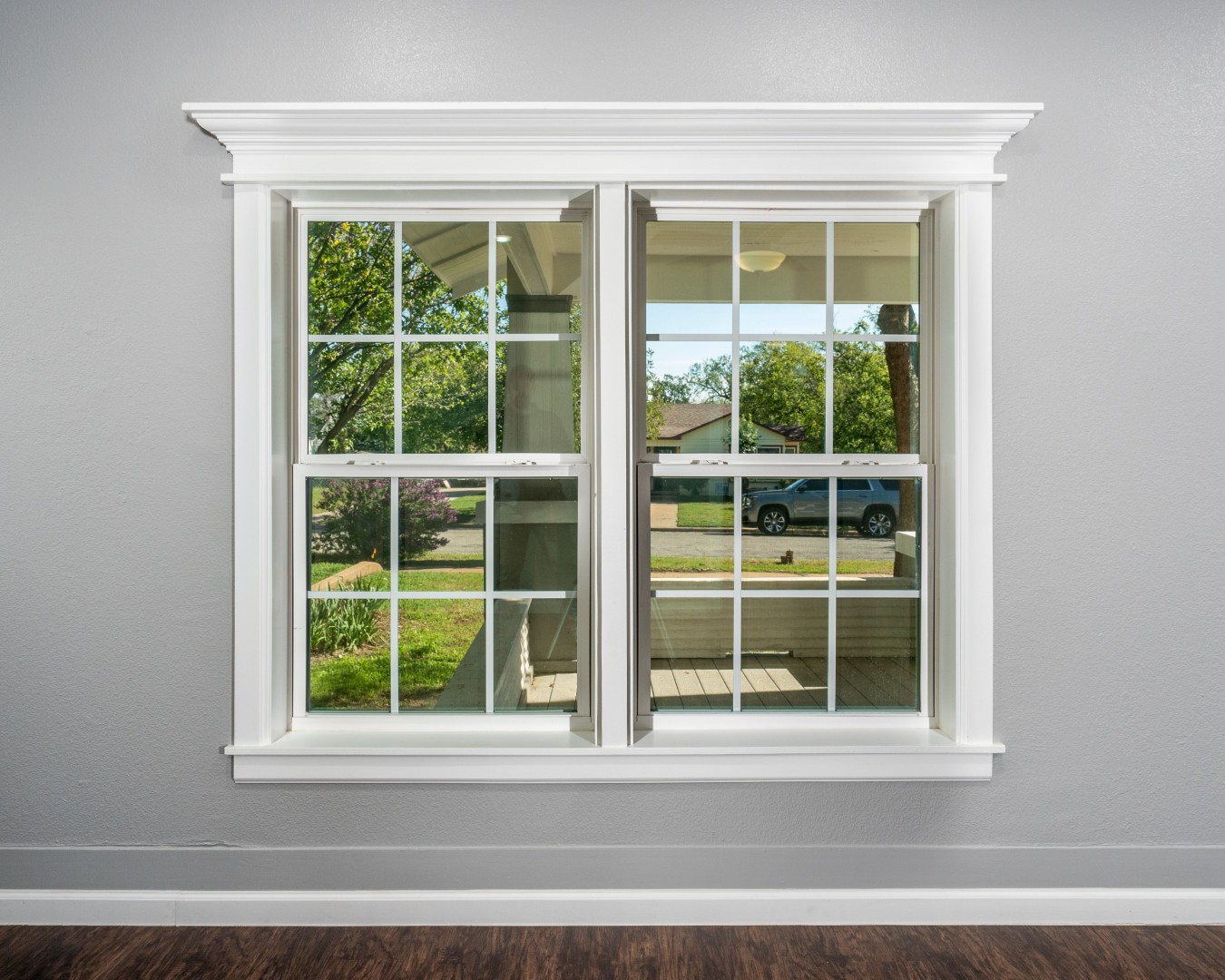
Window designs that offer ventilation control and easy cleaning are increasingly popular. Options like tilt and turn windows and casement and awning windows provide practical solutions for modern living while enhancing architectural flexibility.
Indoor-Outdoor Integration
Australian homes continue to prioritise seamless indoor-outdoor transitions. Complementing modern window designs with door systems such as lift and slide doors and sliding and stacking doors creates cohesive, light-filled spaces ideal for entertaining and everyday family life.
Precision Engineering and Trusted Systems
Quality and reliability are key considerations in modern architecture. In 2026, there is growing demand for window systems that combine advanced engineering with proven performance.
Advanced Manufacturing Processes
Modern uPVC windows are manufactured with precision to ensure airtight seals, structural integrity, and long-term durability. Learn more about how quality is built into every product through our manufacturing process.
Globally Trusted uPVC Systems
Homeowners and architects are increasingly turning to globally recognised systems such as Deceuninck, known for innovation, sustainability, and long-lasting performance in modern residential projects.
Why Forever Green Windows Aligns with 2026 Design Trends
Forever Green Windows supplies premium uPVC window and door solutions that align perfectly with modern Australian architecture. Our experienced local team understands evolving design trends and provides tailored solutions backed by a comprehensive warranty. From consultation to installation, we focus on performance, style, and long-term value.
Conclusion
The 2026 trends in uPVC windows highlight a shift towards smarter, more sustainable, and architecturally refined homes across Australia. With clean lines, improved performance, and flexible design options, uPVC windows continue to shape the future of modern Australian architecture.
Frequently Asked Questions
Q: Are uPVC windows suitable for modern architectural homes?
A: Yes. uPVC windows offer slim profiles, excellent thermal performance, and design flexibility, making them an ideal choice for contemporary Australian architecture.
Q: Can uPVC windows be customised to suit my home’s design?
A: Absolutely. uPVC windows are available in a variety of styles, sizes, and finishes. You can explore available options on our colour options page.
Q: Do modern uPVC windows require much maintenance?
A: No. uPVC windows are highly durable, resistant to weathering, and require minimal maintenance compared to traditional materials.
Q: Where can I learn more about uPVC window performance?
A: You can find more detailed information on performance, installation, and care on our FAQs page.